The German government and the Federal Ministry of Finance introduced several tax and digitalisation proposals during the summer of 2026. Many of these measures are still going through the legislative process and may therefore be amended.
Nevertheless, the proposals already indicate what self-employed people, companies, employees and families in Germany may face in the future. The following overview reflects the planning status as of 12 August 2026. Some of the measures described are not yet applicable law.
1. New Mandatory Cash Register Rules for Businesses and the Self-Employed
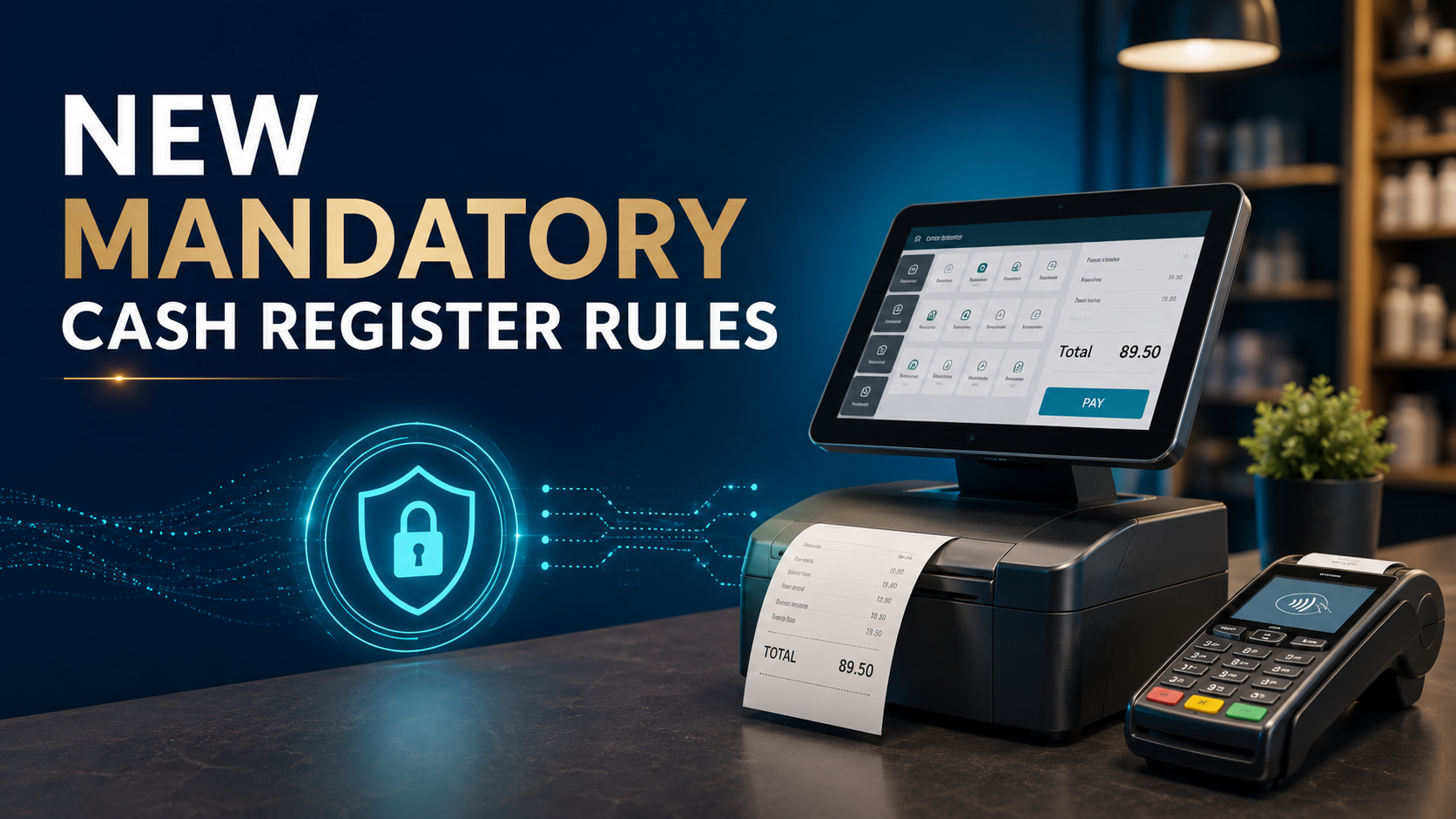
The Federal Ministry of Finance is planning mandatory electronic cash register rules for taxpayers with business income and an annual turnover exceeding €100,000. The proposal could affect traders, freelancers, agricultural businesses and forestry businesses.
Under the current draft, these taxpayers would have to use an electronic recording system protected by a certified technical security device. In particular, cash payments and payments made by debit or credit card would have to be recorded. Bank transfers and direct debits through the business bank account would generally be excluded.
Businesses exceeding the turnover threshold in 2027 could become subject to the requirement in 2028. If the threshold is exceeded later, the obligation would generally begin on 1 April of the following year. The tax office would also have to be notified.
Hardship provisions and exemptions for certain activities are planned. In addition, the compulsory issue of paper receipts could be replaced by a more flexible obligation to provide receipts, including in digital form.
The proposed change would be particularly important for restaurants, retailers, hairdressers and other businesses receiving many cash or card payments. However, it is currently only a draft.
2. Tax Notices Could Be Delivered Automatically Through ELSTER
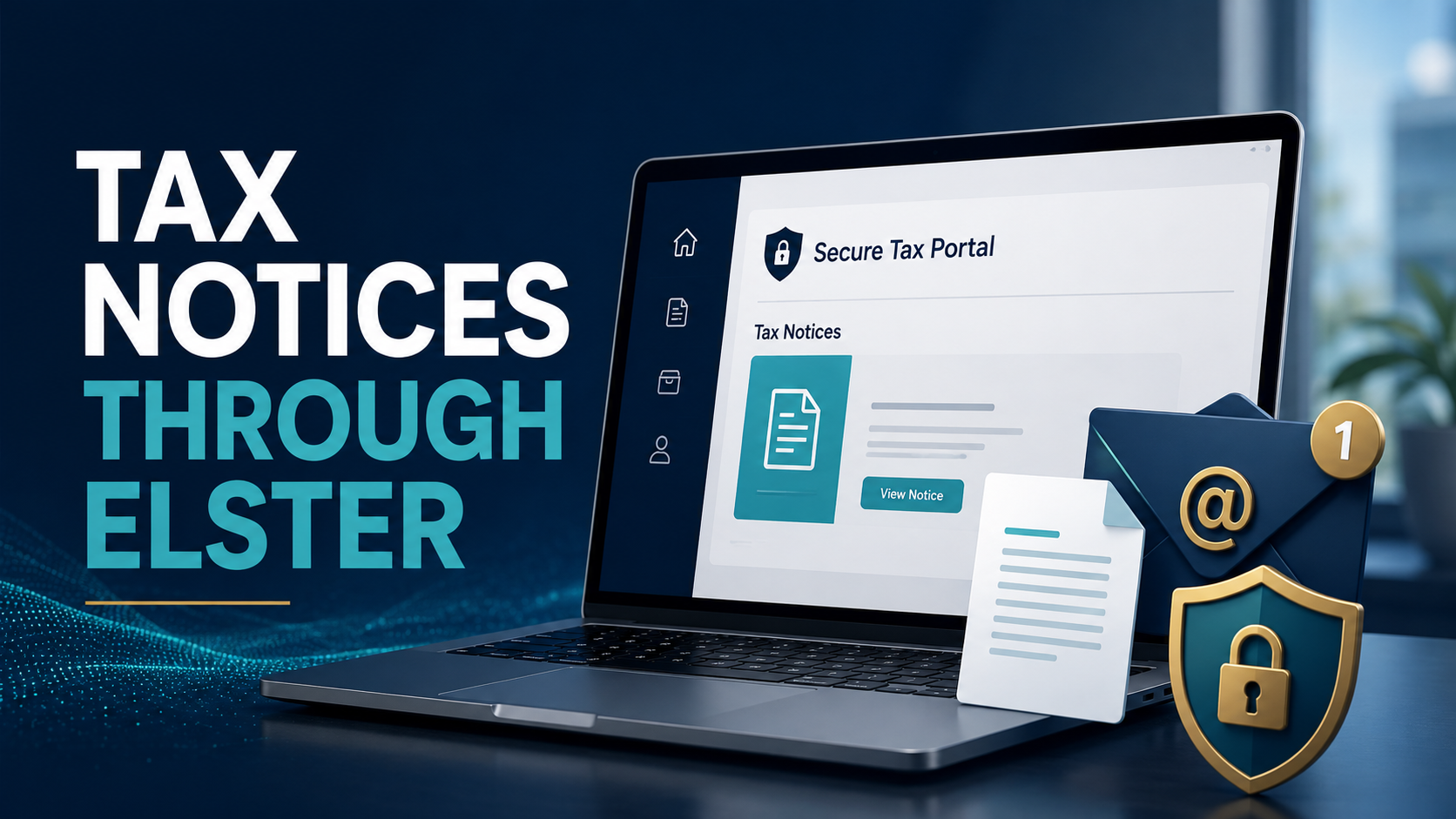
The Annual Tax Act 2026 proposes making electronic delivery the standard procedure. Anyone with an active ELSTER account could receive certain tax notices and official correspondence electronically. This would include income tax assessments and decisions concerning tax objections.
Separate consent would no longer be required. When a document becomes available in the ELSTER account, the taxpayer would receive an email notification. People without an active ELSTER account would continue to receive their documents by post.
Anyone wishing to receive paper notices despite having an ELSTER account would probably have to request postal delivery electronically. Taxpayers should therefore keep their registered email address up to date and check their ELSTER account regularly. Electronic tax notices also trigger payment and objection deadlines.
The change is planned for 2027 but has not yet been finally adopted.

3. New Rules for VAT Groups
A VAT group may exist when one company is financially, economically and organisationally integrated into another company. Under the current rules, such a VAT group can arise from the actual circumstances without the companies expressly applying for it.
This frequently creates uncertainty. Businesses must determine which company is the controlling entity, which companies belong to the group and who is responsible for paying VAT. Errors may affect VAT returns, invoices and input VAT deductions.
The Annual Tax Act 2026 therefore proposes a new system. In future, the tax consequences of a VAT group would generally apply only if the controlling company submits an explicit declaration.
The change would be particularly relevant to holding structures, corporate groups and companies under common management. Existing structures should be reviewed if the proposal is finally adopted.
4. Online Platforms and International Exchange of Tax Information
Online platforms already have to report information concerning certain income earned by their users. This may include sales, rentals and services offered through digital platforms.
The information is already exchanged between tax authorities within the European Union. The Annual Tax Act 2026 would extend the exchange to platform providers based in non-EU countries where an effective international agreement exists.
Platform reporting is not entirely new for sellers based in Germany. However, the proposal shows that international platform transactions are likely to be monitored more extensively.
Anyone regularly selling goods or providing services through a platform should determine whether the activity is still private or has become a taxable self-employed or commercial activity. A platform report does not automatically mean that tax is payable, but it allows the tax office to compare the reported information with the relevant tax returns.
Platform statements, fees, refunds and payment records should therefore be retained completely.
5. Planned Income Tax Reform for 2027
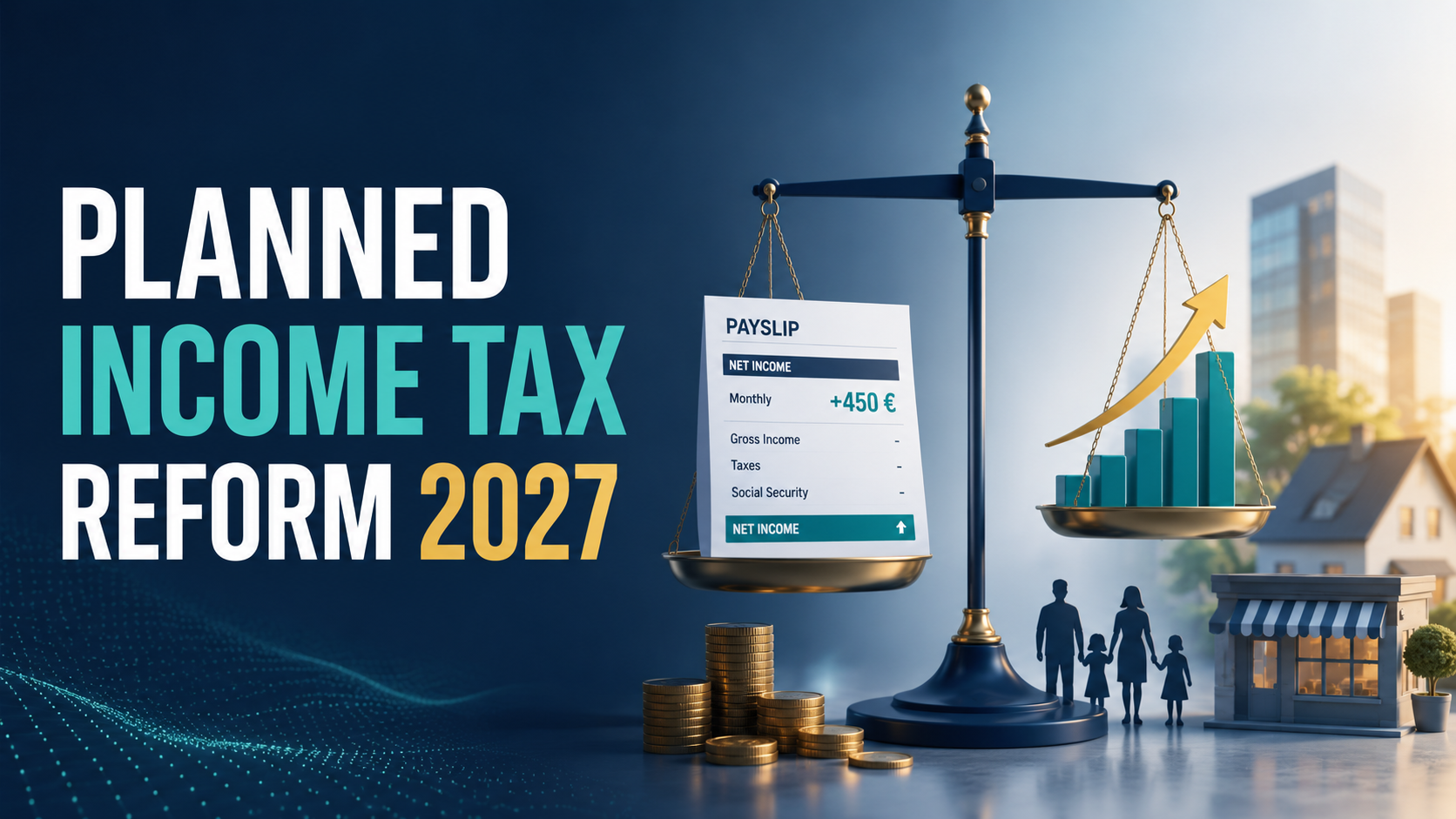
The governing coalition is planning tax relief for people with low and middle incomes. The plans include higher basic and child tax allowances, increased child benefit and a higher standard allowance for employees’ work-related expenses.
The top income tax rate would apply only from taxable income of €70,600. The tax progression between €17,800 and €70,600 would also be reduced. Employees and owners of unincorporated businesses could benefit from these changes.
To finance the reform, very high incomes could face higher taxation. The current plan provides for a 45% rate from taxable income of €250,000 and a 47% rate from €280,000.
At the same time, certain tax benefits may be reduced. The tax reduction for household repair and renovation services is expected to fall from 20% to 15%. The maximum annual tax reduction would consequently decrease from €1,200 to €900.
The reform is intended to begin in 2027 and take full effect in 2028. However, the details currently reflect only the coalition agreement and have not yet been finally enacted.

6. Early-Start Pension: State-Funded Capital for Children
The Federal Cabinet has approved a draft law introducing an early-start pension. The plan is for the federal government to contribute €10 per month to a funded retirement savings account for every child between the ages of six and 18.
Parents would be able to open a certified account and make voluntary additional contributions. No acquisition or distribution fees would be charged before the child reaches adulthood. An effective annual cost limit of 1% is also planned.
If no individual account is opened, the child would still receive the state contributions. The funds would be invested collectively and managed by the German Federal Bank. A separate application would not be necessary.
Investment earnings would remain tax-free during the savings period. The state-funded capital would generally not be available before the beneficiary reaches the age of 65. A retroactive launch covering children born in 2020 is planned. The details may still change during the legislative process.

7. Child Benefit Without a Separate Application
The German Bundestag has approved plans under which child benefit could be paid automatically after the birth of a child, subject to certain conditions. The procedure is expected to be introduced gradually in 2027.
The first stage would cover additional children whose parents already receive child benefit for an older child. Parents of a first child would be included at a later stage.
At least one parent would generally have to live with the child in Germany, work in Germany and have a registered bank account. The Federal Central Tax Office would receive the birth information through the registration authorities and forward it to the Family Benefits Office.
A current International Bank Account Number can already be registered through ELSTER or the IBAN+ service. Additional information may still be required in cross-border cases or where entitlement is unclear.
8. The Digital Tax Office: Will Tax Audits Become More Automated?
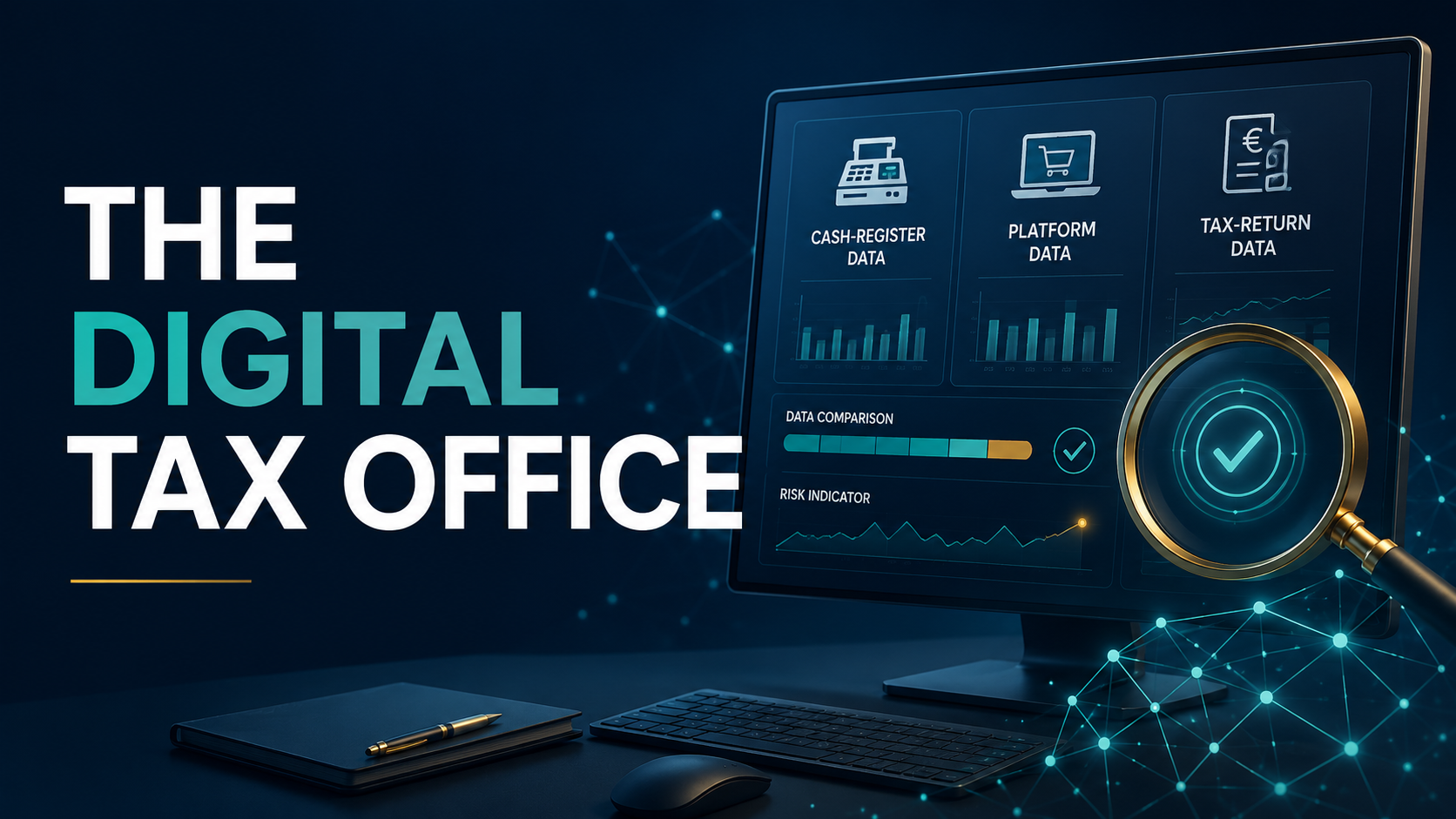
Electronic cash registers, platform reports, digital tax returns and electronically delivered tax notices provide the tax authorities with increasing amounts of structured data. This makes it easier to compare information from different sources.
Reported platform income can be compared with tax returns. During tax audits, standardised data from electronic cash register systems can be examined. Differences between advance VAT returns, annual tax returns and accounting records may also be detected more quickly.
The extent to which artificial intelligence is already used is not publicly documented for every procedure. However, automated risk-management systems and digital data analysis are becoming more important.
This does not necessarily mean that self-employed people will face more tax audits. Errors, unusual discrepancies and undeclared income may nevertheless become easier to identify. Up-to-date bookkeeping, complete cash register records and the correct reporting of digital income will therefore become even more important.
This is a professional assessment of the continuing digitalisation of tax administration. It does not mean that every German tax return will automatically be reviewed by artificial intelligence.

Conclusion
The current proposals point in a clear direction: German tax procedures are expected to become more digital, automated and easier for the authorities to monitor. At the same time, tax relief for low- and middle-income taxpayers and new benefits for families are planned.
The proposed cash register obligation may be particularly relevant to self-employed people. Corporate groups should monitor the planned VAT group rules. Employees and families could benefit from the income tax reform, the early-start pension and the automatic payment of child benefit.
Please note: This article reflects the planning and legislative status as of 12 August 2026. Many of the proposals have not yet been finally adopted and may be amended. The article is intended for general information and does not replace individual tax or legal advice.
Free Consultation
Have questions about entering the German market? Request a free consultation.
Request Free Consultation