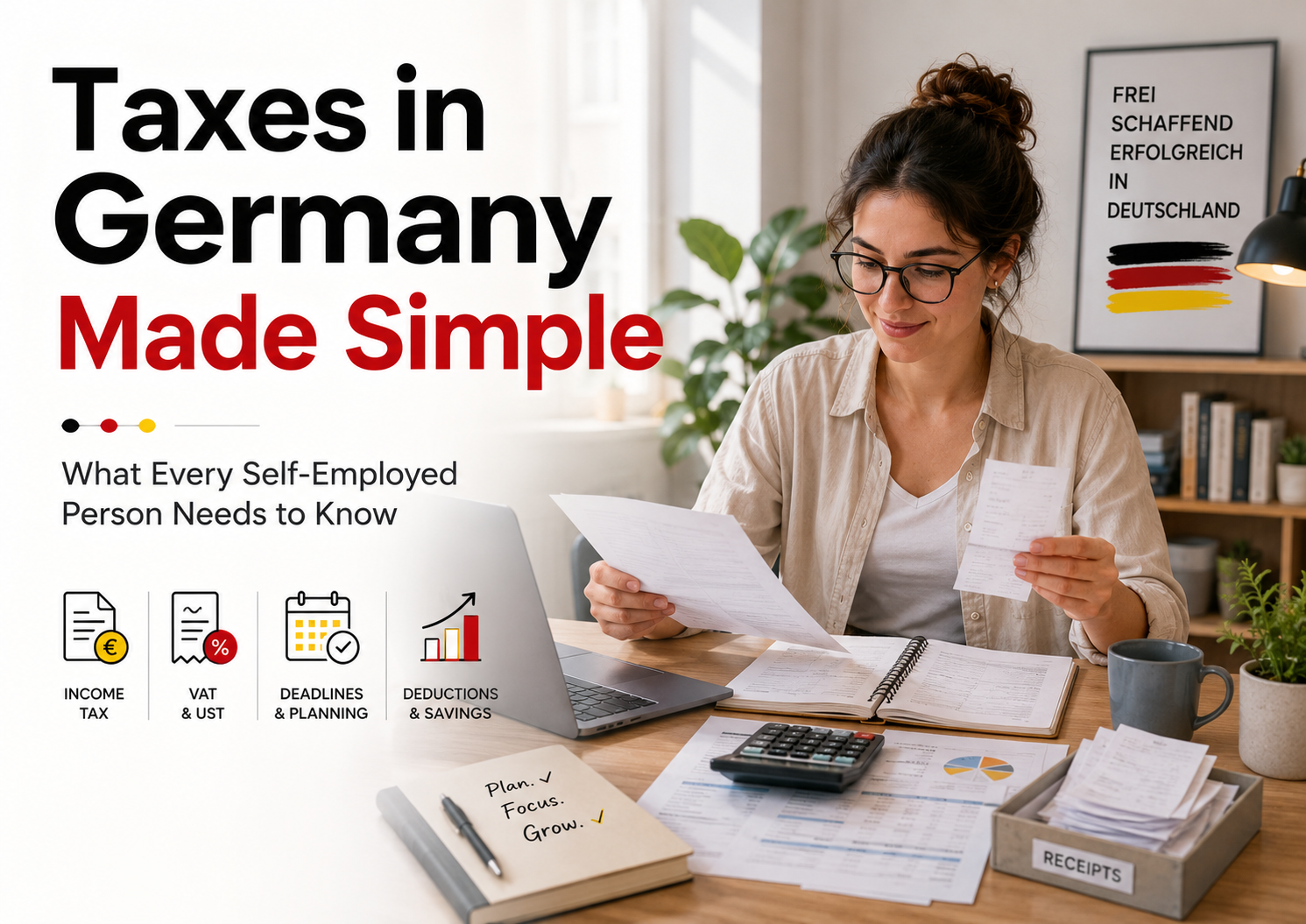
1. Which taxes are important for self-employed people?
Not every self-employed person pays the same taxes. The taxes that apply depend, among other things, on the legal form of the business, the type of activity and the income or profit.
The most important types of tax include:
Income Tax
Sole proprietors and individuals carrying out self-employed activities generally declare their taxable profit for income tax purposes.
Simply put:
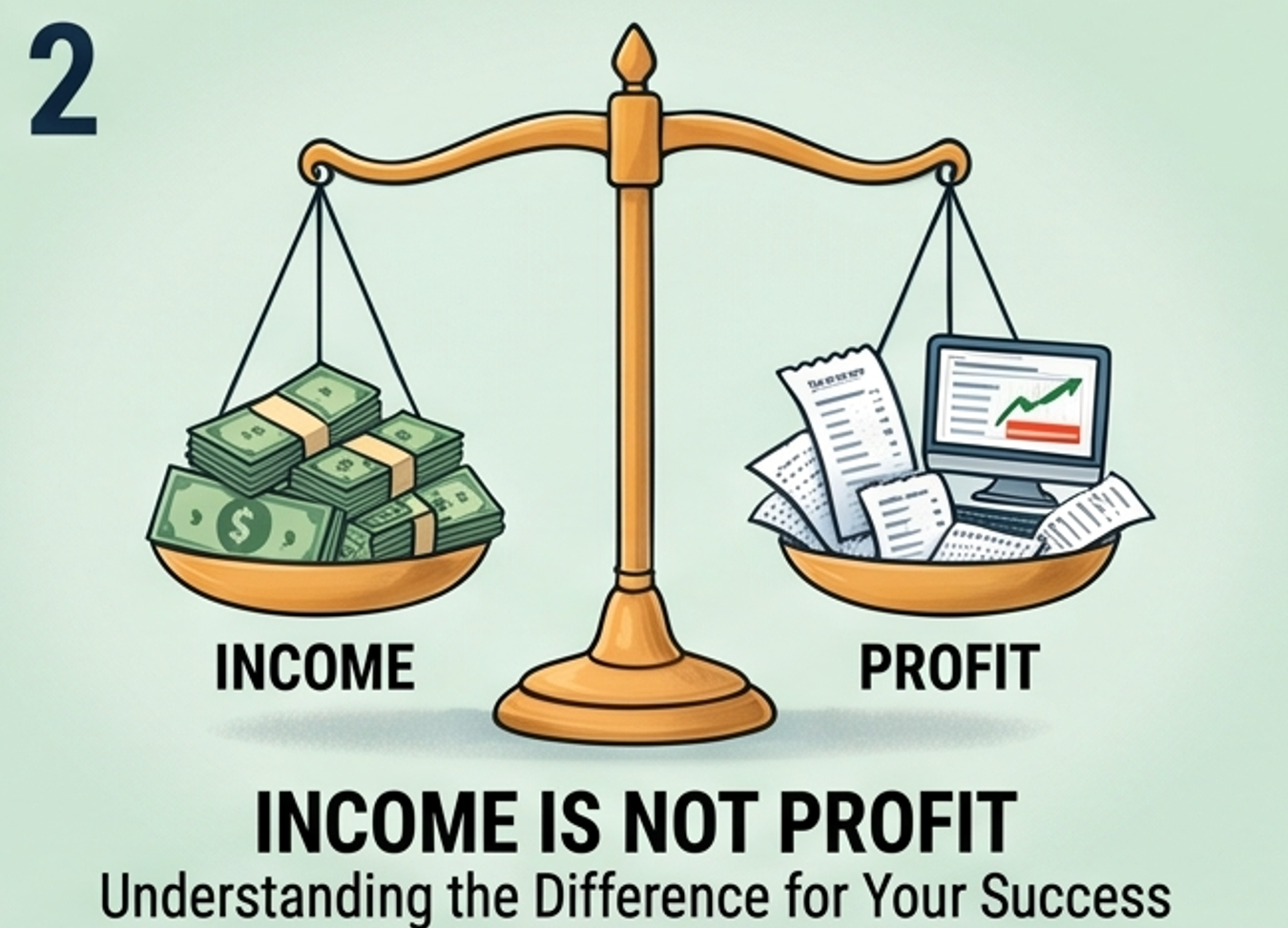
Income – business expenses = profit
Profit is therefore not the same as revenue.
Corporate Income Tax
Certain companies, such as a GmbH or UG, are generally subject to corporate income tax.
The taxation of a company works differently from the taxation of an individual sole proprietor.
Trade Tax
Businesses operating a trade may be subject to trade tax (Gewerbesteuer).
The actual amount depends, among other things, on the taxable trade income and the local municipal tax rate.
Value Added Tax (VAT)
VAT is something that many business owners deal with regularly.
It is added to many goods and services and shown separately on invoices.
It is important to understand that VAT is generally not simply additional income for the business owner.
2. Revenue Is Not Profit
This is one of the most important things every business owner should understand.
Imagine that a business issues invoices totaling €10,000 in one month.
The business has, for example, €6,000 in operating expenses.
That leaves:
€10,000 income – €6,000 expenses = €4,000 profit
So generating €10,000 in revenue does not mean that the business owner has earned €10,000.
This is one of the reasons why proper bookkeeping is so important.
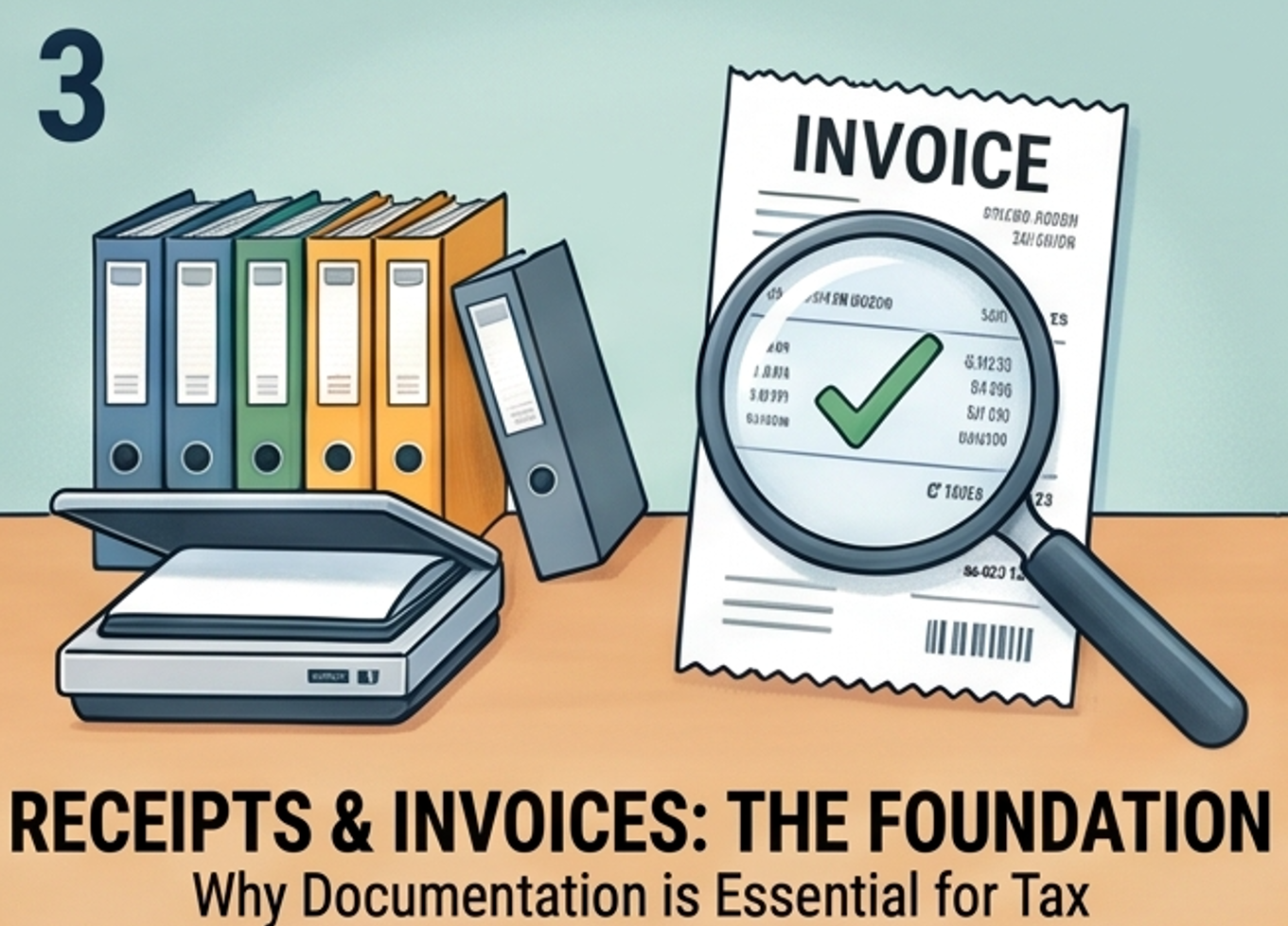
3. Why Are Receipts and Invoices So Important?
A common question from business owners is:
“Why do I need to keep every receipt?”
The simple answer is that business expenses generally need to be documented and supported by appropriate records.
Examples can include:
Rent for business premises
Office supplies
Telephone and internet costs
Certain vehicle expenses
Software
Advertising
Business travel expenses
Certain insurance costs
Goods and other business purchases
Whether a specific expense is tax-deductible depends on the individual circumstances.
Therefore, you should not automatically assume:
“I paid for it for my business, so I can deduct it from my taxes.”
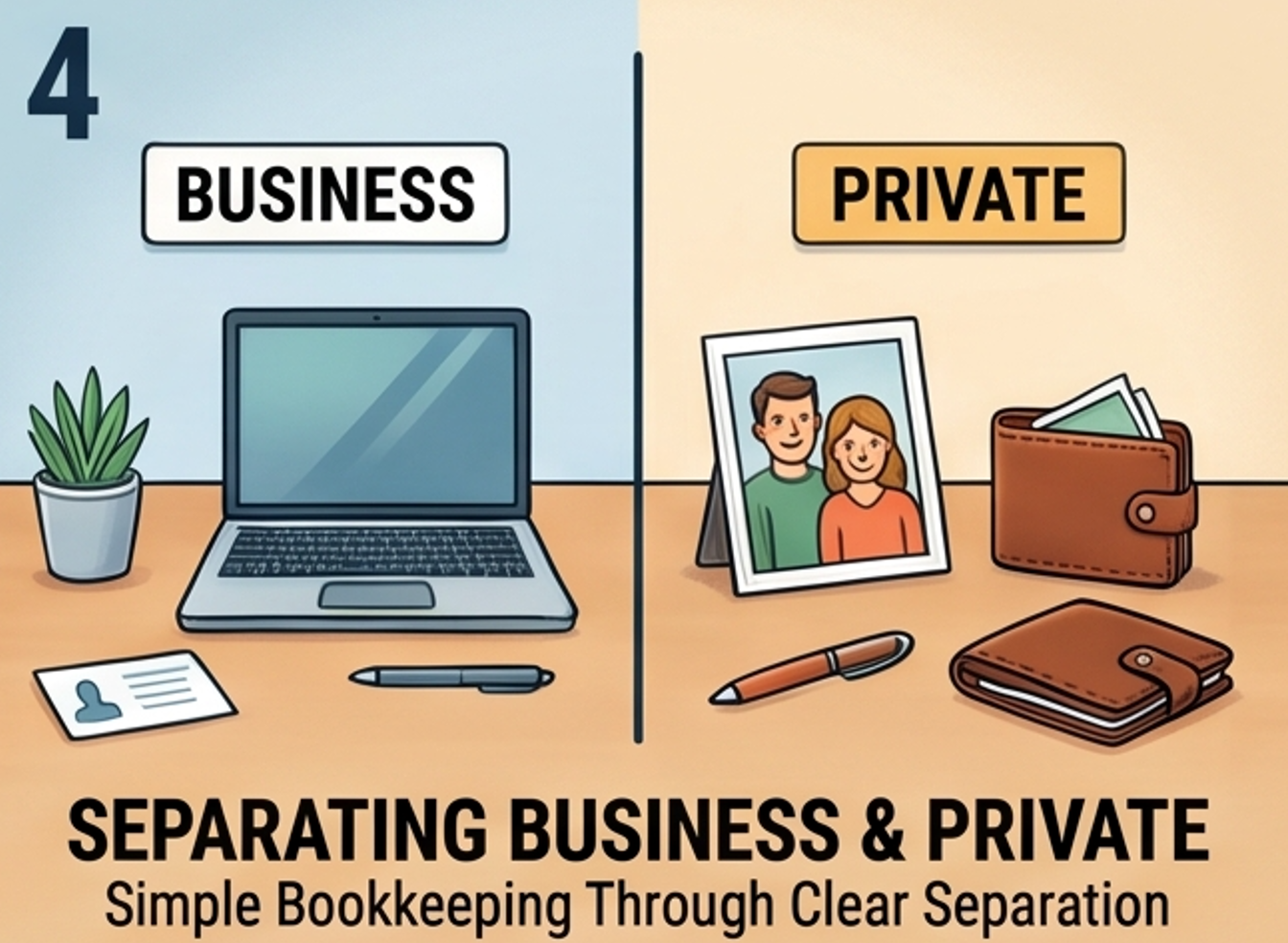
4. Keep Business and Personal Expenses Separate
This is particularly helpful for new business owners in Germany.
Business income and expenses should be documented clearly and consistently.
If private and business payments are constantly mixed together, bookkeeping becomes unnecessarily complicated.
For this reason, having a separate business bank account can be very useful, even though it is not necessarily legally required in every situation.
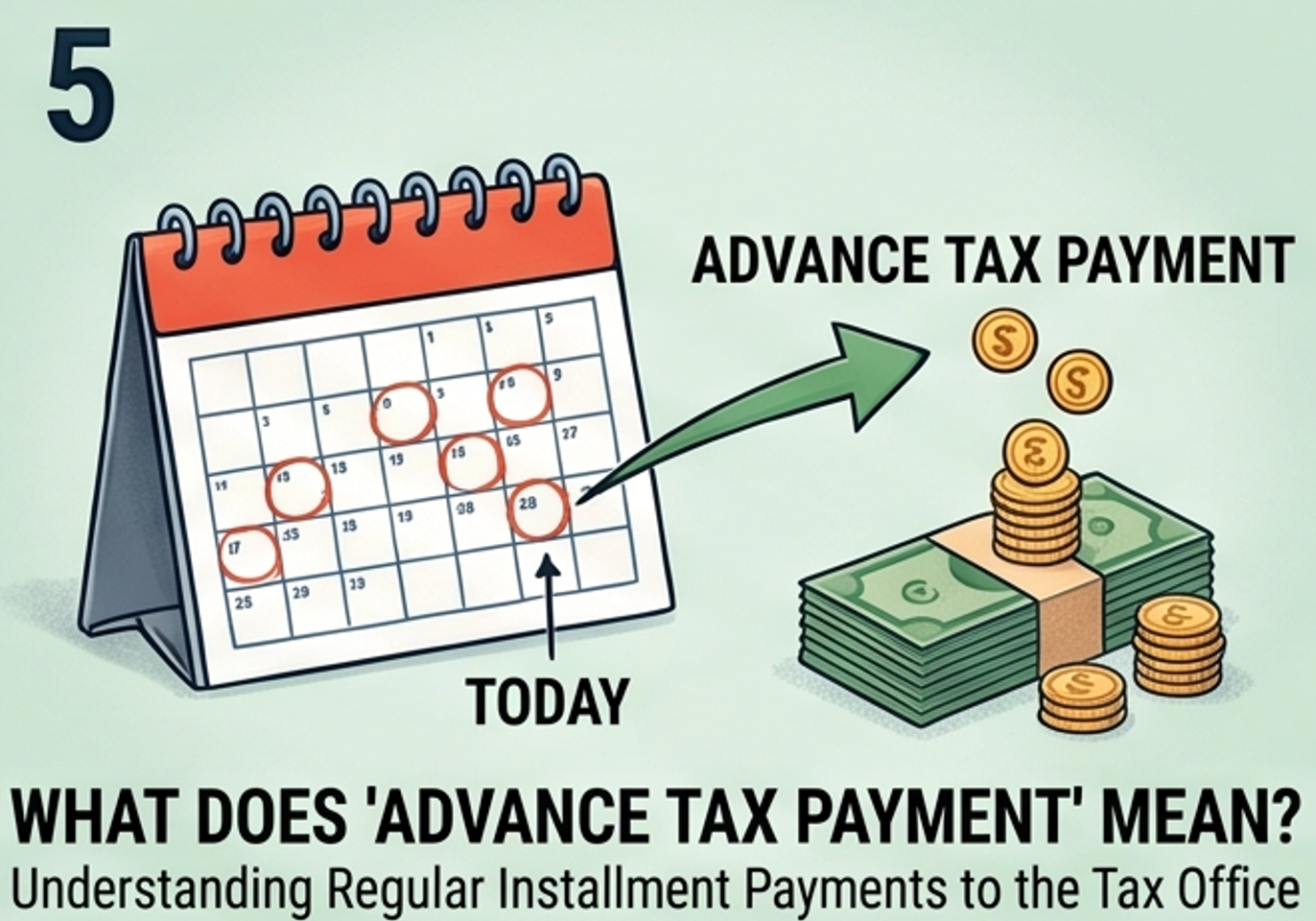
5. What Does “Advance Tax Payment” Mean?
Many business owners are surprised when the tax office not only requests a payment for the previous year but also sets advance payments for the current year.
For example:
Additional tax payment for the previous year
At the same time, advance payments for the current year
This does not automatically mean that you are “paying tax twice.”
The advance payment is generally a payment towards the tax that is expected to become due later.
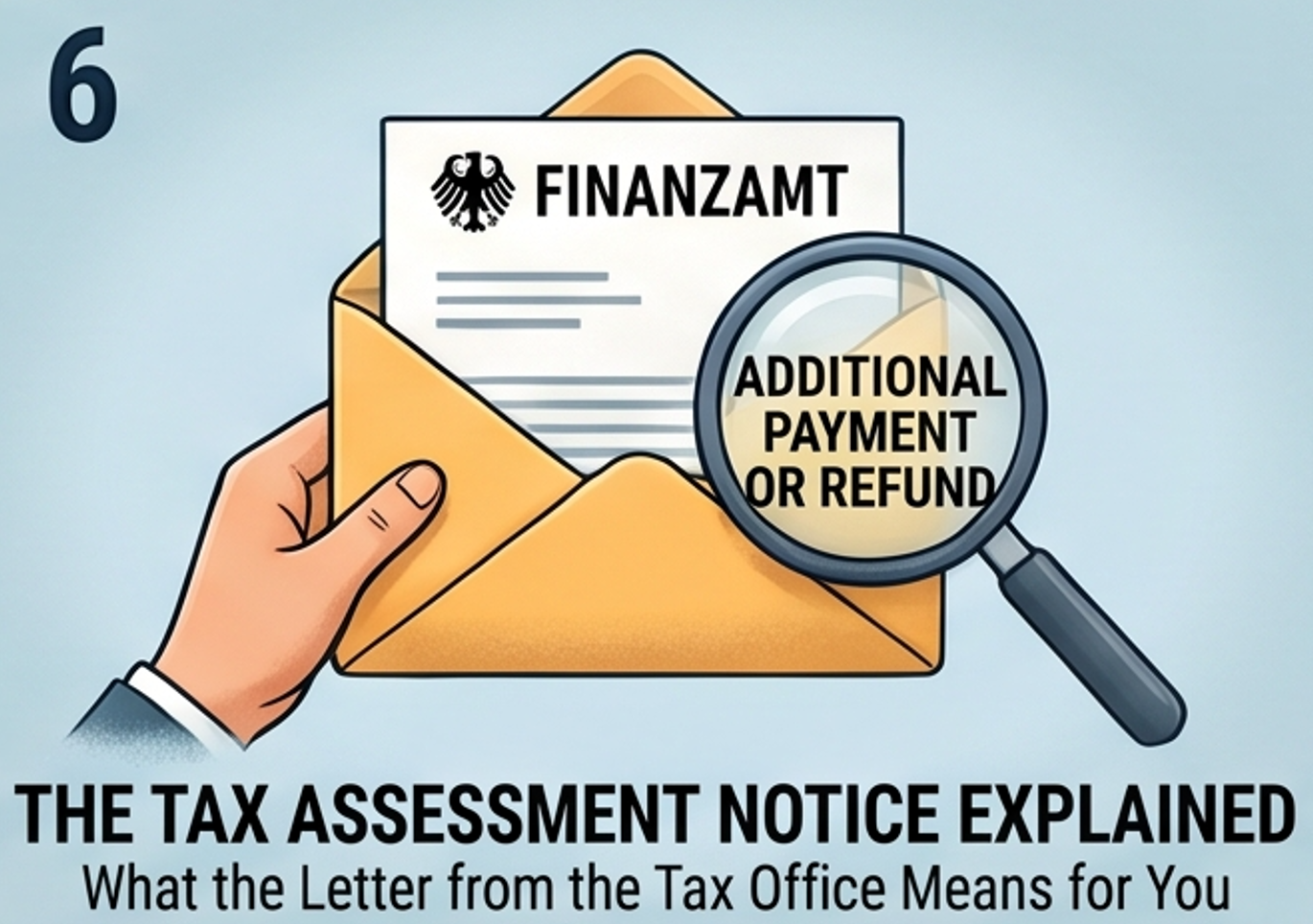
6. What Is a Tax Assessment Notice?
After a tax return has been processed, the German tax office (Finanzamt) issues a tax assessment notice (Steuerbescheid).
It states, among other things, the amount of tax assessed and whether you have to make an additional payment or will receive a refund.
The important point is: Do not simply ignore a tax assessment notice.
Even if you disagree with it, certain deadlines may apply.
If you do not understand the notice, it is advisable to seek professional advice.
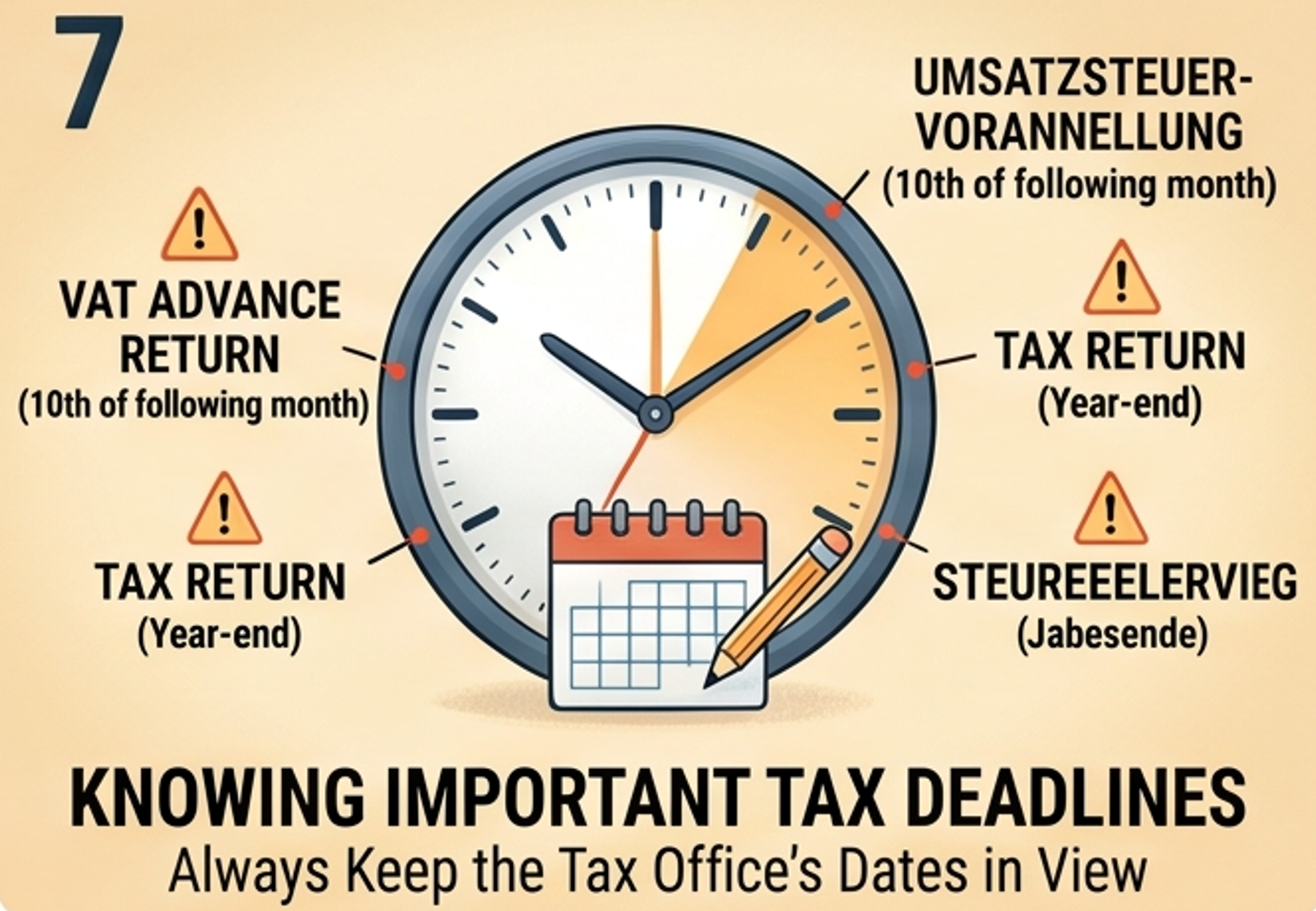
7. Which Tax Deadlines Do Business Owners Need to Know?
The German tax system includes various deadlines.
These may include deadlines for:
VAT returns or advance VAT returns
Income tax advance payments
Trade tax advance payments
Tax returns
Payments to the tax office
The specific deadlines depend on the individual circumstances.
My practical advice: Do not rely on the tax office reminding you every time.
A good tax deadline calendar can help prevent unnecessary problems.
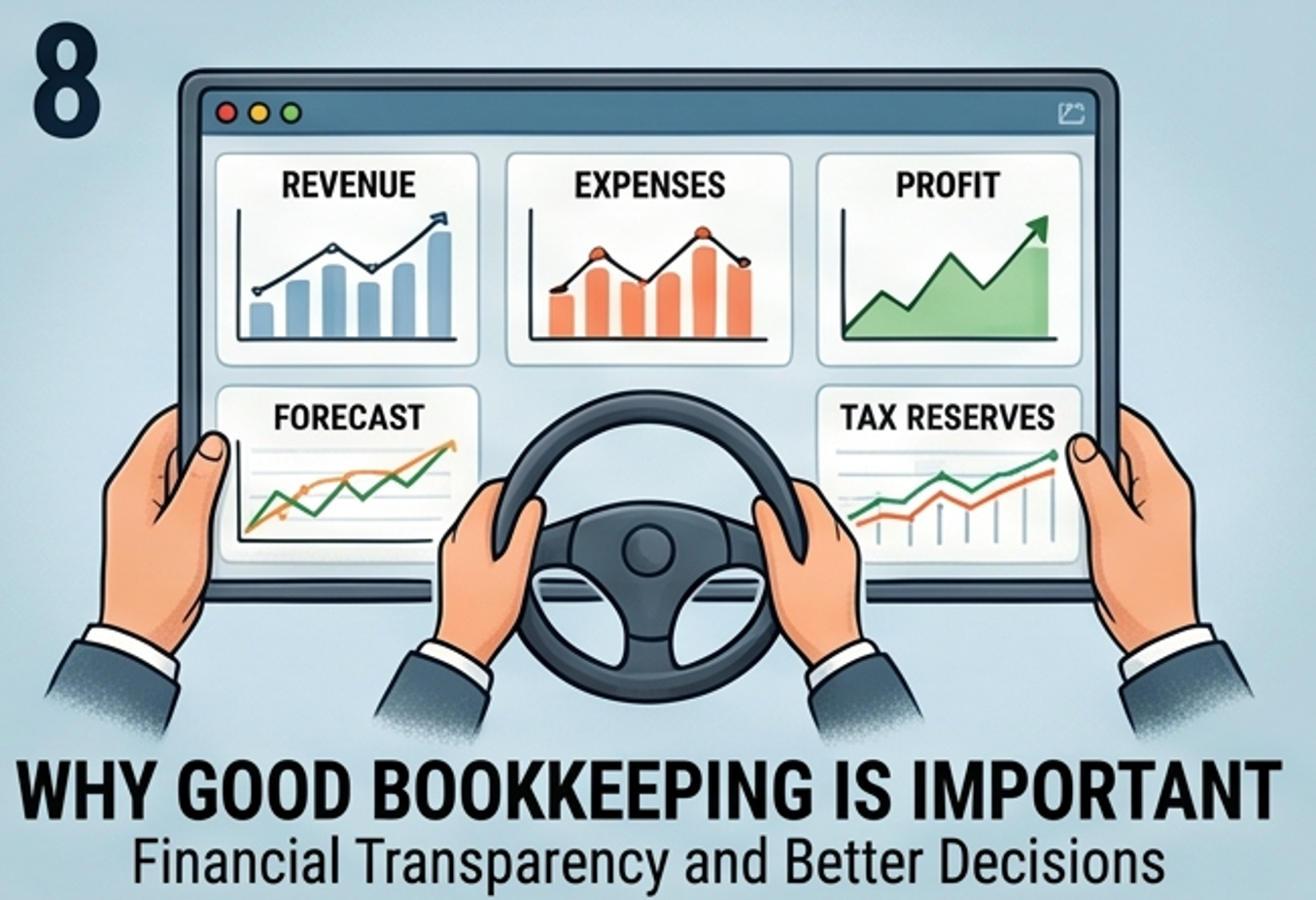
8. Why Is Good Bookkeeping So Important?
Bookkeeping is not simply about entering invoices into accounting software.
Good bookkeeping can also help a business owner understand the financial situation of the business.
For example:
How much revenue am I generating?
What expenses do I have?
How much profit am I making?
Which invoices are still unpaid?
What payments are coming up?
How much money should I set aside for taxes?
For business owners who are not yet familiar with the German system, clear and well-organized bookkeeping can therefore provide valuable guidance.

9. What Can You Do Yourself – and When Should You Contact a Tax Advisor?
Many organizational and bookkeeping tasks can be handled by business owners themselves or with professional support.
However, for individual tax questions, it is important to consider whether professional tax advice is necessary.
This is particularly relevant for more complex situations, such as:
Changes to the legal form of a business
Major investments
International business activities
Questions regarding personal tax liability
Tax audits
Tax disputes
Complex VAT matters
In these situations, you should not try to make an individual tax decision based solely on a blog article.
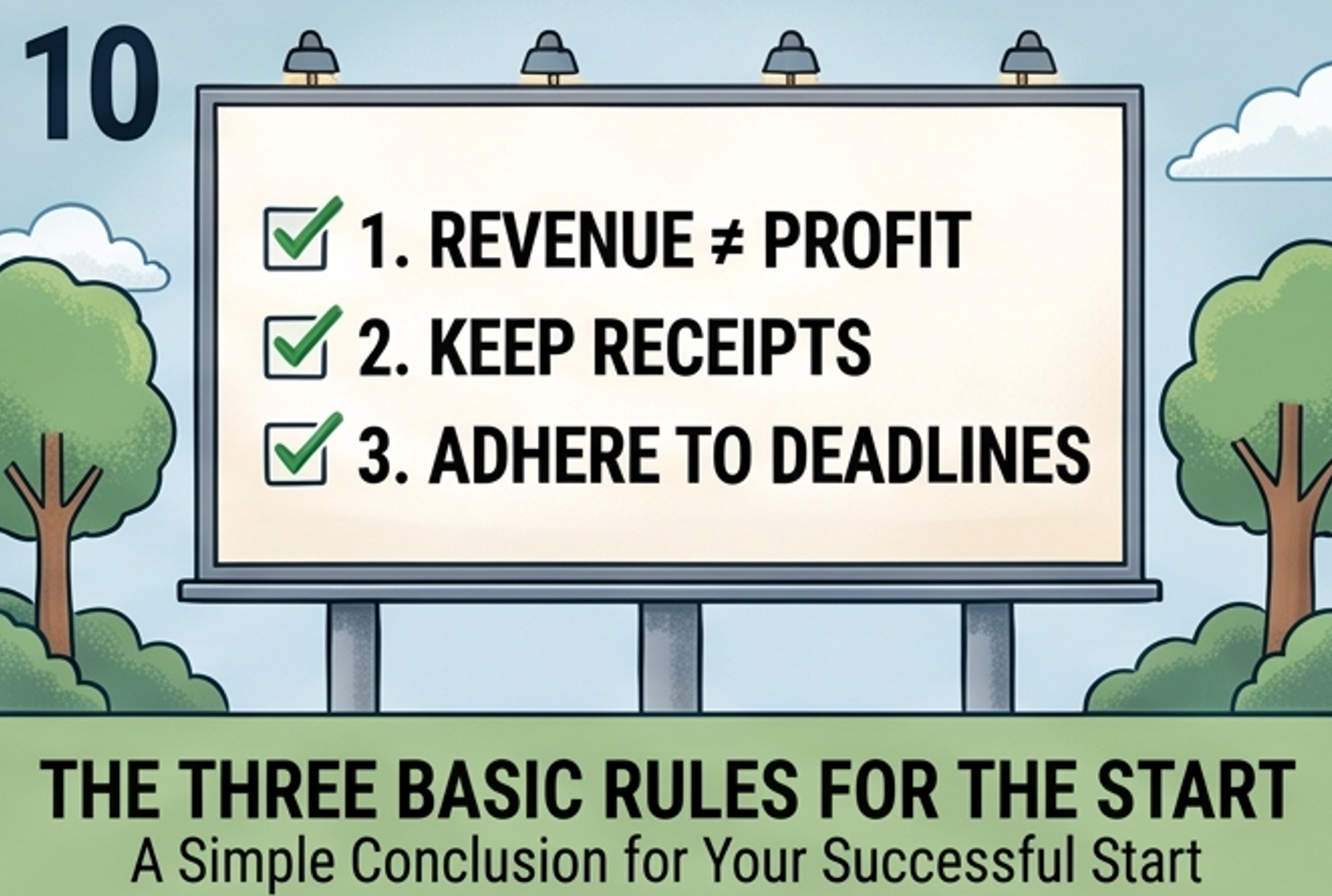
10. Three Basic Rules to Remember
If you are just starting your business in Germany, remember these three points:
1. Revenue is not profit.
2. Business transactions should be properly documented.
3. Never ignore tax notices or deadlines.
Understanding these three basic principles is already an important first step.

Conclusion
The German tax system can seem complicated, especially for foreign business owners who are unfamiliar with the German system.
However, many problems are not necessarily caused by the taxes themselves, but by unfamiliar terminology, deadlines and procedures.
Proper bookkeeping, good documentation and keeping track of important tax deadlines can help you stay organized and avoid unnecessary problems.
This article is intended as general information and practical guidance and does not constitute individual tax advice. For personal or complex tax matters, you should consult a tax advisor or another appropriately qualified professional.
Coming next:
10 Common Tax Mistakes Foreign Business Owners Make in Germany – and How to Avoid Them
Free Consultation
Have questions about entering the German market? Request a free consultation.
Request Free Consultation